

Sustainability
Initiatives for a Healthier Planet
A thriving future depends on a healthier planet, and the urgency to tackle climate change and its far-reaching consequences with genuine sustainability initiatives has never been greater.
We are taking on this challenge head-on by offsetting Scope 1, 2, and 3 carbon emissions, investing heavily in agroforestry ventures, and integrating eco-friendly ways and practices into every aspect of our global operations.
Our vision for sustainability is very clear. We don’t see it as a pledge or a promise, but an immediate responsibility to lead by example, take accountability for our actions today, and build a resilient future for the generations to come.
Our Initiatives
We are genuinely dedicated to creating a positive environmental impact while driving solutions that support the well-being of our communities and our planet. For us, every contribution matters, even the smallest step we take as an individual counts towards a healthier planet.
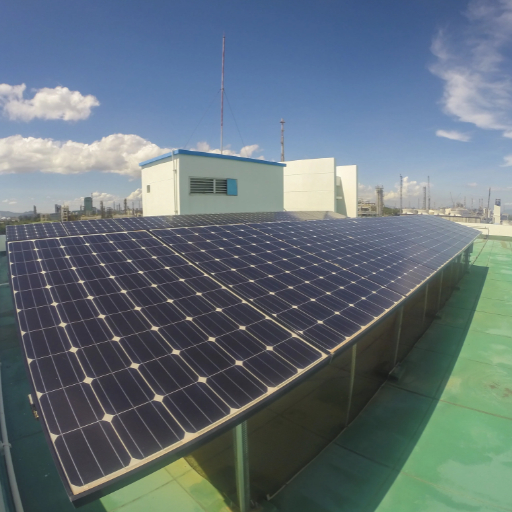
Cut Emissions
Taking responsible actions to reduce environmental impact, harmful GHG emissions, and threats from climate change.
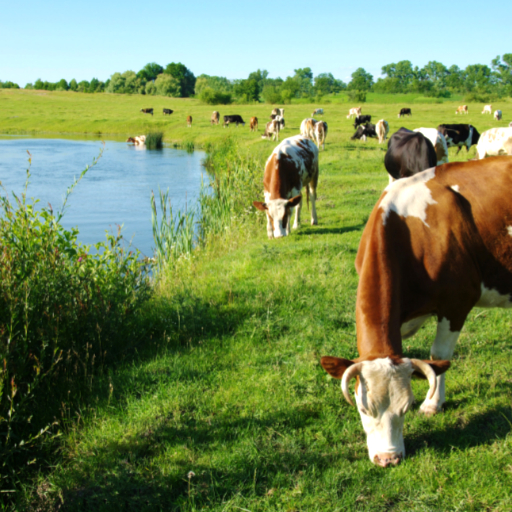
Agroforestry
Investing in sustainable farms to restore plantations, create new jobs, and support people affected by natural disasters.
Cut Emissions
Making A Safer Planet For All
We promote remote work model and a paperless approach at Crownstone Global, leveraging digital tools to significantly lower our carbon footprint and improve employee productivity. We also guide and encourage our staff to use renewable solar energy for their home offices, demonstrating our commitment to sustainable practices.
- By allowing remote work, we’ve significantly reduced the need for daily travel using personal vehicles that run on diesel or petrol engines. By introducing this initiative, we’ve been able to cut down scope 1 emissions directly, resulting in a reduction of approximately 104,000 km traveled per year per employee and eliminating 10 metric tons of CO2 every year at minimum.
- Currently, 20% of our remote staff use solar energy to power their home offices, resulting in approximately 0.5 metric tons of CO2 emissions eliminated per year per remote employee, impacting scope 2 emissions. We are working on increasing this percentage through internal awareness within our company to cut the reliance on electricity generated from fossil fuels and switch to alternative solutions that use green energy.
- Paper production is a major source of greenhouse gases (GHG), involving deforestation, energy-intensive manufacturing processes, and transportation. By digitizing our processes and going paperless, we focus on a broader value chain to reduce our environmental impact and scope 3 emissions. Through this approach, we save more than 100,000+ A4-sized sheets at work throughout the year on average, removing an additional 0.5 metric tons of CO2 annually.
10 tCO₂
Eliminated every year by allowing remote work flexibility
.5 tCO₂
Reduced on average by a solar-powered home office
100,000+
Sheets saved every year on avg by going 99% paperless
.5 tCO₂
Removed from the planet yearly by reducing paper usage
Agroforestry
Innovating For A Greener Future
Why It Matters
Pakistan is a developing country rich in natural resources and diverse landscapes. As per the World Bank’s 2023 stats, 36% of its population is associated with the agriculture sector which is one of the key economic drivers for the country. However, in the last two decades, there has been rapid urbanization in almost every province that has led to massive deforestation where green zones and farmlands were converted into industrial areas, commercial projects, and housing societies.
This deforestation has had severe impacts on both the environment and the economy since 2007 and onwards, when a series of heavy monsoon rainfalls and massive floods struck annually across the KPK, Baluchistan, Sindh, Kashmir, and Punjab. Based on the official reports published by the United Nations and the World Bank, the catastrophic floods and rainfall in 2022 alone had left over 8 million people displaced, 1,700 people killed (one in three were children), 1 million livestock animals killed, 4.4 million acres of agricultural land and over 2.2 million houses damaged. The overall economic and infrastructure damages in a single year are estimated to be more than USD 30 billion whereas the rural areas of Sindh sustained 77% of total forest damages which amounts to USD 8.4 million.
(Sources: UN.org | World Bank)
Our Actions
To address these climate issues with a balanced approach and under the environmental, social, and governance (ESG) standards, we are actively trying to increase the agroforestry activities in Sindh province, primarily in the villages of Gujjo and Jati in Thatta district. Since the Jati village lies directly along the coastal line of the Arabian Sea and Gujjo is located in the Indus Delta with proximity to the near-coastal belt, they are the most climate-vulnerable areas prone to sea-level rise, cyclones, and coastal flooding.
Our agroforestry projects in these villages will significantly enhance carbon sequestration, maximize the reforestation impact, and create micro-job opportunities for the locals who rely on agriculture, livestock, and fish farming to support their families.
- We are on track to planting over 10,000 trees every year for the next ten years. Through these plantation drives, we’ll be able to sequester an additional 10 metric tons of CO2 annually, during which these trees will enhance the biodiversity rate, improve soil quality, and create sustainable livelihoods for the locals. By gradually expanding the scale of these plantations depending on land availability by 2034, the cumulative effect of the trees planted and the GHG emissions reduced over the next decade would significantly maximize our carbon offset.
- Our agroforestry blueprints are designed in a way that gives the flexibility to combine trees with pasture and livestock facilities, build ponds for fish farming, and plant organic vegetables, fruit trees, and shrubs along critical waterways to protect the soil and water quality at the same time.
- As we continue to accelerate our agroforestry projects, we anticipate creating micro-job opportunities for the locals. This initiative will not only create jobs for plantation and maintenance workers but will also create employment and side-business opportunities for the agricultural workers, livestock farmers, and administrative service providers.
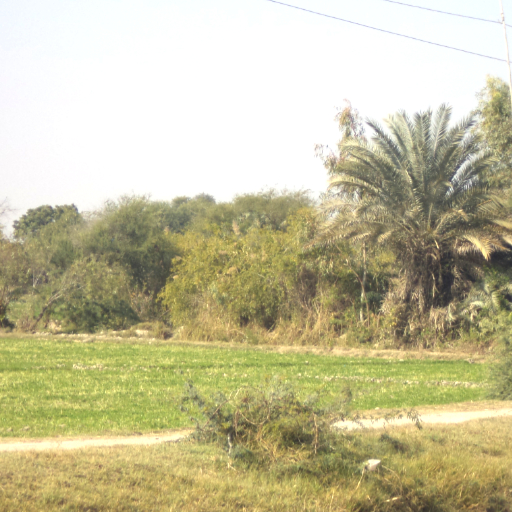
10,000 Trees Mission
Hundreds of fruit and sustainable wood trees planted, continuing our 10-year reforestation journey.
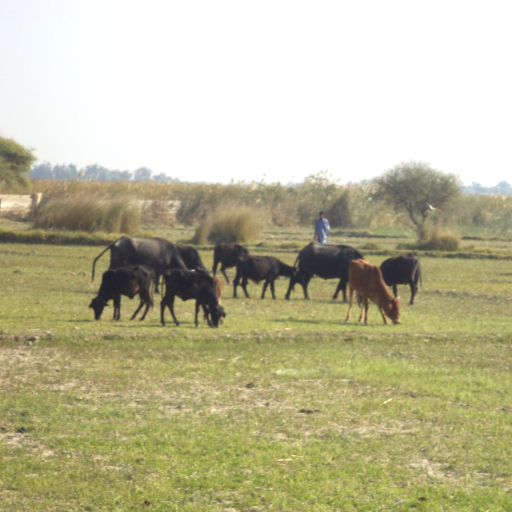
Grazing Harmony
Cattle grazing on lush pastures, a harmonious blend of livestock and forestry in our sustainable farms.
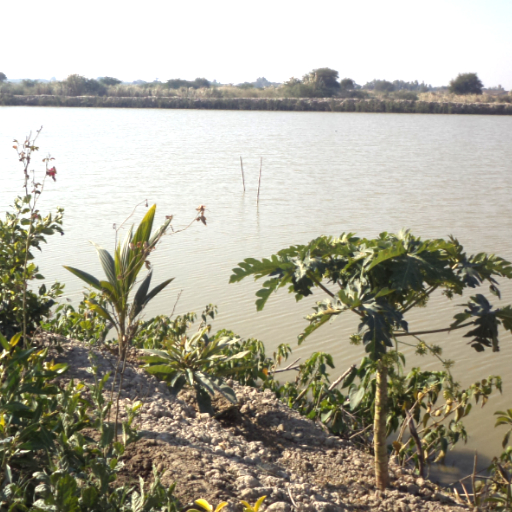
Waterfront Growth
Integrating trees and water bodies to enhance biodiversity and sustainability in our agroforestry project.
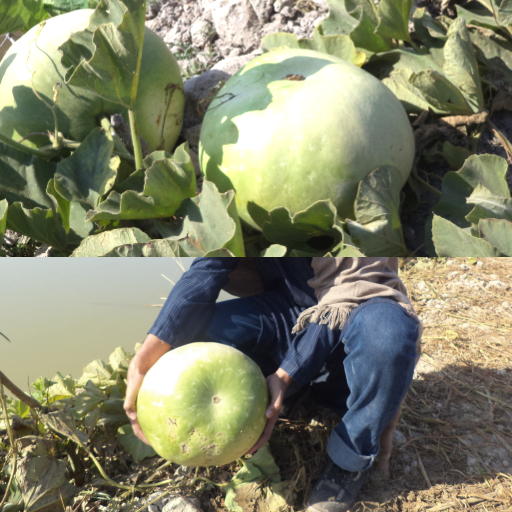
Organic Produce
Our bountiful harvest — fresh produce grown alongside water bodies, showcasing nature’s productivity.
More Initiatives
Creating Thriving Communities

Social Impact
We are empowering communities and leveraging our resources to improve the quality of life for underserved populations. Through child education, healthcare, and economic development initiatives, we are committed to building a more equitable and sustainable future for everyone.
See our social impact →